
Study in the UK
Study in the UK, with the right course and a strong UCAS application.
Focused three year degrees in England, four years in Scotland, and one year master’s degrees. We help Indian students pick courses their board marks qualify for, write the personal statement and prepare the visa.
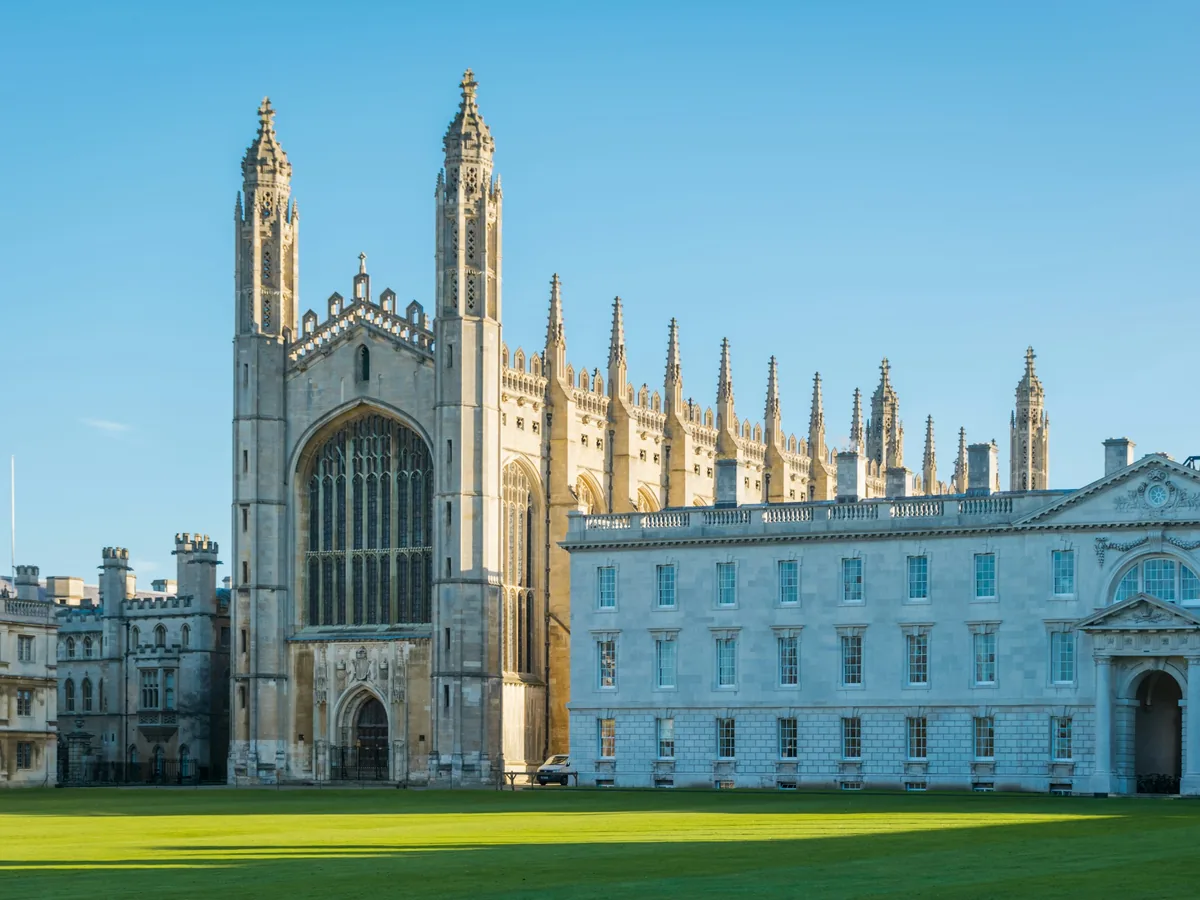
The UK at a glance
Figures for September 2027 entry. Checked 15 October 2026.
Degree
Usually 3 years in England, 4 years in Scotland
Apply
UCAS: up to 5 courses on one application, fee £34.50
Deadline
13 January 2027 for most courses
Work after
Graduate visa: 18 months for applications from 1 January 2027
Tuition
About £21,950 to £46,872 a year at the universities below
Why the UK
Why families choose the UK
A shorter degree and a clear subject focus. The UK also asks for the right school subjects from the start, and its fees rise most years.
Shorter degrees
Most bachelor’s degrees in England take three years. Scottish degrees usually take four. A taught master’s degree is usually one year.
Study one subject in depth
Students apply for one course, such as Economics or Computer Science, and study it from the first year.
Placements and integrated master’s
Many courses offer a year in industry or a placement year, and some engineering and computing degrees include a master’s year (MEng).
Leading research universities
The Russell Group brings together 24 research intensive UK universities, including most of the universities listed below.
Class 12 accepted directly
Most leading universities accept CBSE and ISC Class 12 for direct entry, with set percentages for each course.
Work during and after study
Up to 20 hours a week in term time and full time in vacations, then the Graduate visa after the degree.
Things to weigh honestly
- Less flexibility. You choose your subject before you start, and you need the right school subjects for it.
- Cost. International tuition at the universities below runs from about £21,950 to £46,872 a year, and medicine up to £70,554. Many universities raise fees each year.
- Shorter work visa. The Graduate visa falls from 2 years to 18 months for applications from 1 January 2027.
- No family on an undergraduate visa. Undergraduate and most master’s students cannot bring dependants.
Campus and city life
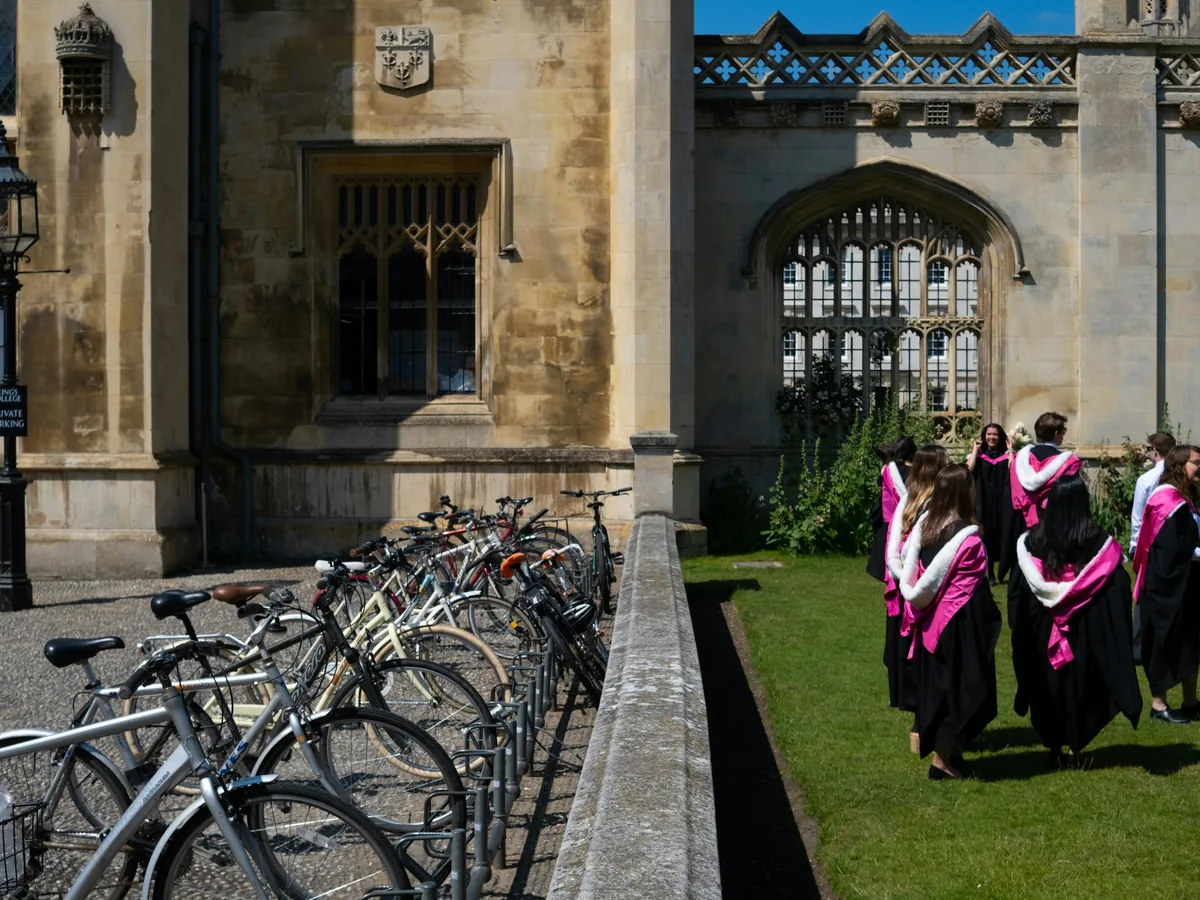
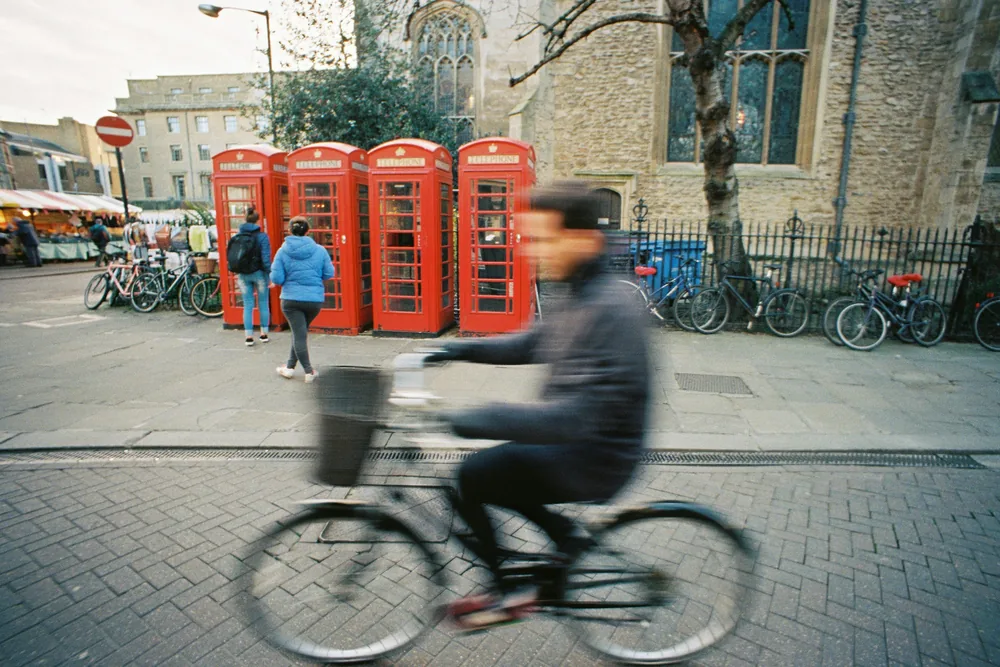
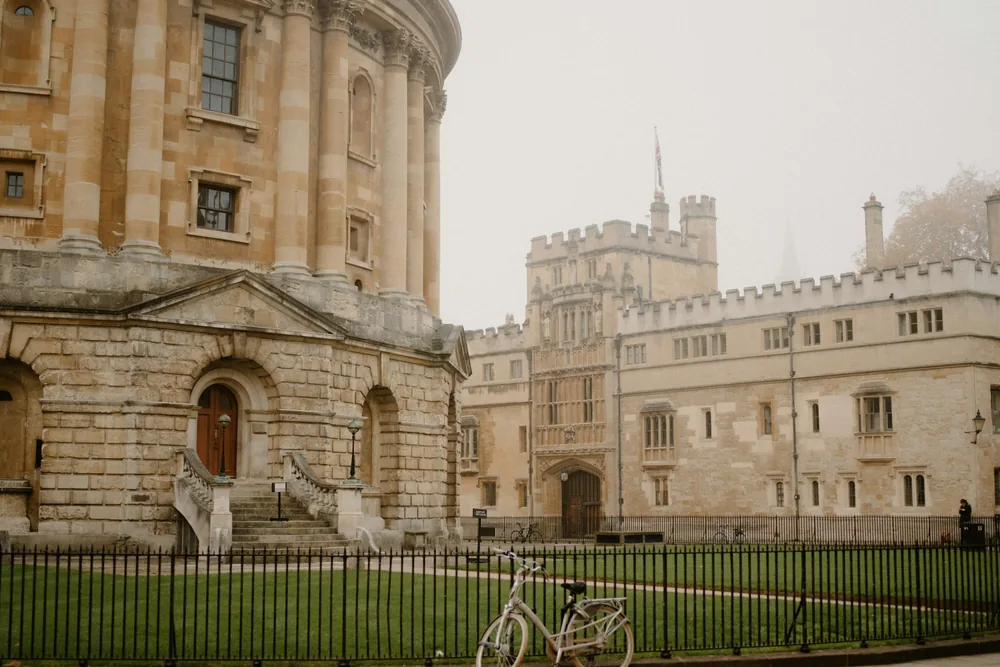
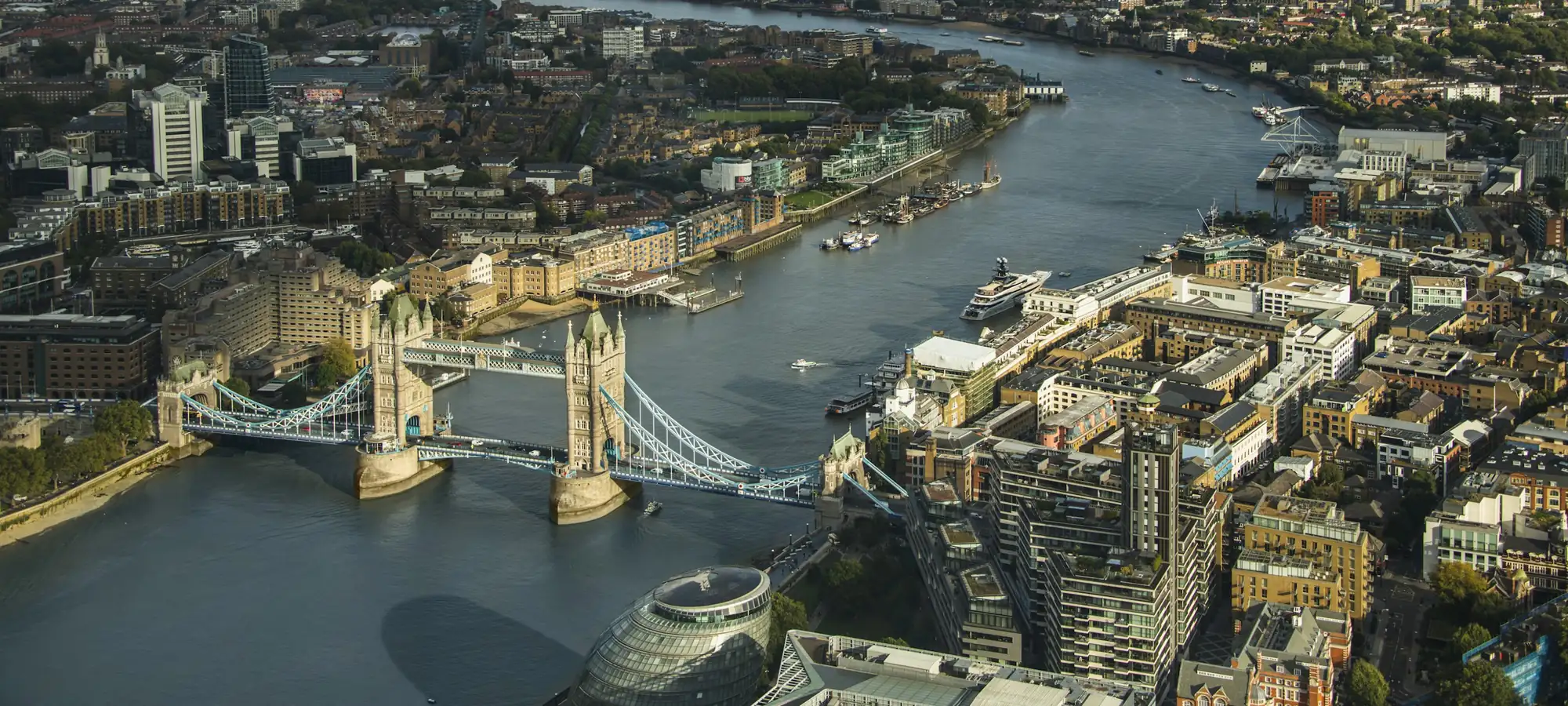
A first look at student life in the UK
Universities
Leading UK universities and what they ask of Indian students
Each university sets its own percentages for CBSE and ISC Class 12, and they vary by course. These are the published starting points.
| University | Class 12 entry (CBSE and ISC) | International tuition a year | Official site |
|---|---|---|---|
| University of Oxford | CBSE and ISC accepted for all courses with very high marks, for example ISC 90% overall with 95% or more in two to four subjects, by course. State boards not accepted. | £39,620 to £66,580, 2027 entry | India page |
| University of Cambridge | CBSE accepted only for some arts, humanities and social science courses at some Colleges. Most science and economics courses need A Levels, IB or AP tests as well. | £30,798 to £46,872 (medicine £70,554), plus a College fee | India page |
| Imperial College London | CBSE and ISC: at least 90% overall across five subjects, with 90% in relevant subjects. | £45,500 for engineering and computing, 2026 to 27 | India page |
| London School of Economics | CBSE and ISC: for example 90% overall with five subjects at 90% (AAA). Applied Maths not accepted from 2027. | £30,400 to £41,900, fixed for 2027 entry | India page |
| UCL | CBSE, ISC and four state boards. 95 in a subject where an A* is needed, 90 for an A. | Economics £40,800, fixed for the course | India page |
| King’s College London | CBSE and ISC only. Percentages vary by course. | Shown on each course page | India page |
| University of Edinburgh | Arts and social sciences: 80% overall. Science and engineering: 80% overall and in required subjects. Four year degrees. | Shown on each course page, fixed for the course | India page |
| University of Manchester | CBSE and ISC: 80% to 95% overall, by course. Five state boards also accepted. | Economics £35,300, Computer Science £39,700, 2027 entry | India page |
| University of Warwick | CBSE and ISC, five subjects: 92% for A*A*A, 90% for A*AA, 85% for AAA. | £21,950 to £37,310, 2027 to 28 | India page |
| University of Bristol | CBSE and ISC: typical offers from 80% to 90%. | Economics £29,300 in the first year, 2027 entry | India page |
| Durham University | Best four academic subjects: 85% for AAA, 87% for A*AA, 89% for A*A*A. | Computer Science £35,000, 2027 entry | India page |
Sources: each university’s official fee and India entry pages. Checked 15 October 2026.
Admission requirements
UK entry requirements for CBSE and ISC students
UK offers depend mainly on predicted and final Class 12 marks in the right subjects, plus the personal statement and reference.
Class 12 marks
Your predicted marks decide the offer. Final marks must meet it.
Offers are set as percentages, for example 90% overall with 90% in relevant subjects at Imperial, or 85% to 92% at Warwick depending on the course. Oxford accepts CBSE and ISC for all courses. Cambridge accepts CBSE only for some courses and Colleges.
Subject prerequisites
Many courses need specific school subjects.
Economics usually needs Mathematics: Manchester asks for AAA including Maths, Bristol and UCL A*AA with Maths. Computer Science at Manchester needs a high Maths mark plus a science.
Watch out for Applied Maths. From 2027 entry, LSE does not accept CBSE or ISC Applied Maths for any Maths requirement, and Warwick does not accept it for Computer Science, Mathematics or Statistics.
Admissions tests
Some courses add a written test.
For example, Oxford Economics and Management uses the TARA test, and UCL Economics uses the TMUA test for the 2027 cycle.
English
IELTS, or Class 12 English marks at many universities.
Some universities accept Class 12 English in place of IELTS: Imperial at 70% (CBSE and ISC), Warwick at 75% to 85%, Durham at 80%, UCL at 85 in English Core. Oxford asks for IELTS 7.5 with 7.0 in each part, and LSE for IELTS 7.0 in each part.
Personal statement
Three questions, 4,000 characters in total.
Why do you want to study this course? How have your studies prepared you? Outside education, what else have you done, and why is it useful? One statement goes to all your choices, so the courses should be closely related.
Reference and predicted grades
Written by a teacher through the school.
Every application needs a reference from someone who is not family or a friend. Only a teacher referee or the school can add predicted grades, which matters because Class 12 students apply before their board results.
Foundation year
For students whose board or marks are not accepted for direct entry.
Options include UCL’s Undergraduate Preparatory Certificate, Manchester’s Integrated Foundation Year, the King’s International Foundation Programme (£28,150 in 2026 to 27) and Durham’s International Study Centre.
How to apply
One UCAS application for up to five courses.
Applications for 2027 entry opened on 12 May 2026. The fee is £34.50 for up to five choices. Medicine, dentistry and veterinary science allow up to four of those choices. You can usually apply to only one of Oxford or Cambridge in a year.
Sources: UCAS and each university’s India pages. Checked 15 October 2026.
Costs
The cost of a UK degree
Tuition depends on the course. The visa sets minimum living funds, which are a floor, not a full budget.
| Cost | In pounds | In rupees |
|---|---|---|
| Tuition a year (not medicine) | £21,950 to £46,872 | Rs 27.6 to 59 lakh |
| Cambridge College fee a year | £11,500 to £14,950 (2026 to 27) | Rs 14.5 to 18.8 lakh |
| Living funds for the visa, London | £1,570 a month, £14,130 for 9 months | Rs 17.8 lakh for 9 months |
| Living funds for the visa, outside London | £1,203 a month, £10,827 for 9 months | Rs 13.6 lakh for 9 months |
| Student visa fee, once | £558 | Rs 70,200 |
| Immigration Health Surcharge | £776 a year | Rs 97,700 a year |
| Example: Manchester Economics, 3 years | At least about £141,267 | Rs 1.78 crore |
| Example: LSE Economics, 3 years | At least about £170,976 | Rs 2.15 crore |
Sources: university fee pages, gov.uk Student visa money, Immigration Rules HC 584 and Immigration Health Surcharge. Rupees at Rs 125.87 per pound (RBI reference rate, 15 October 2026). Checked 15 October 2026.
Scholarships
Scholarships open to Indian students
Undergraduate scholarships in the UK are fewer and smaller than in the USA. Most large awards are for master’s study.
Undergraduate
Imperial Inspires Scholarships
£15,000 a year for 150 overseas students in Engineering, Natural Sciences, Medicine or Business. Apply on UCAS by 13 January 2027, then for the scholarship by 5 February 2027. Official page
Undergraduate
Manchester Global Futures
For students from India: the last published version gave £8,000 a year for three years. Check the 2027 terms when published. Official page
Undergraduate
Bristol Think Big
Bristol’s scholarships for international students, which can help with tuition fees. Check the 2027 value and deadline. Official page
Master’s
GREAT Scholarships India
£10,000 towards tuition for a one year master’s at participating universities. Each university sets its deadline. Official page
Master’s
Chevening
Fully funded one year master’s for future leaders with at least two years of work experience. Applications for 2027 to 28 have closed. Official page
Master’s
Commonwealth Master’s Scholarships
Tuition, flights and a monthly allowance for students who could not otherwise afford UK study. Apply through a national nominating agency; the CSC deadline is 20 October 2026. Official page
Visa and work
The Student visa and work after study
Clear rules, but strict ones on money and documents. Plan the funds early.
Student visa
Offer, CAS, funds, then apply up to 6 months before the course.
You need an offer from a licensed university and a Confirmation of Acceptance for Studies (CAS). The fee is £558, and the usual decision time from outside the UK is three weeks. Students under 18 need parental consent.
Proof of funds
The money must stay in the account for 28 days in a row.
The 28 day period must end within 31 days of the visa application. You need the unpaid first year’s tuition plus living funds for up to 9 months.
TB test
Required for applicants from India.
Needed for stays of 6 months or more, from a Home Office approved clinic. The certificate is valid for 6 months.
Work during study
Up to 20 hours a week in term time.
Full time work is allowed in vacations and on placements. Universities may set lower limits.
Graduate visa
18 months of work after a bachelor’s or master’s degree.
The Graduate visa is 2 years for applications made on or before 31 December 2026, and 18 months from 1 January 2027. PhD graduates get 3 years. Rules can change, so post study work is not guaranteed.
Sources: gov.uk Student visa, TB test, UKCISA work rules and gov.uk Graduate visa. Checked 15 October 2026.
Application timeline
For September 2027 entry
For a student in Class 12 in 2026 to 27. For 2028 entry, the dates move one year later.
Class 11
Subjects and list
Check that your subjects, including Standard Maths where needed, match the courses you want.
May to September 2026
Prepare
UCAS opened on 12 May 2026. Choose courses and draft the personal statement.
15 October 2026
Oxford, Cambridge, medicine
Deadline for Oxford, Cambridge and most medicine, dentistry and veterinary courses. Closed for 2027 entry.
13 January 2027
Main deadline
The equal consideration deadline for most courses, at 6 pm UK time.
February to May 2027
Offers and scholarships
Offers arrive. Imperial Inspires closes on 5 February. Extra opens on 25 February.
March to May 2027
Board exams and English
Class 12 exams. Book IELTS if your Class 12 English marks will not count.
July and August 2027
Results and CAS
Meet the offer conditions and receive the CAS. Clearing opens on 2 July.
June to September 2027
Visa and travel
Hold funds for 28 days, take the TB test, apply for the visa and fly for a September start.
Sources: UCAS dates and deadlines. Checked 15 October 2026.
How Tathastu helps
From the course choice to the CAS
The UK rewards a well chosen course and a focused personal statement. That is where we spend our time.
Course and university list
Five choices matched to your board, marks and subjects, with a careful check of Maths and other prerequisites.
Personal statement
We help the student answer the three UCAS questions in their own words, with feedback on every draft.
Reference and predicted grades
Guidance for the school on the reference and predicted grades UCAS needs.
English test
We check whether Class 12 English counts, and teach IELTS when it does not. IELTS coaching
Offers and foundation options
Help comparing offers, Extra and Clearing, and foundation routes where needed.
Student visa
CAS, 28 day funds, TB test and the visa application, led by CA Jogender Singh.
Planning for the USA as well? Many students apply to both.
Student results
UK universities our students have joined
University names only. A student’s name or story appears here only with written permission, and a parent signs for students under 18.
Our students joined
- University of Warwick
Admission letters are kept on file. Past results do not guarantee future admissions.
Questions
Questions parents ask about the UK
Have another question? Call +91 95998 45444 or message us on WhatsApp at +91 81301 34242.
Is CBSE or ISC Class 12 accepted for direct entry?
Yes, at most leading universities, with set percentages for each course. Cambridge is the main exception: it accepts CBSE only for some courses and Colleges.
Does my child need IELTS?
Not always. Many universities, including Imperial, Warwick, UCL and Durham, accept a high Class 12 English mark instead. Oxford and LSE ask for IELTS.
Is Applied Maths accepted?
Often not for maths heavy courses. From 2027 entry, LSE does not accept Applied Maths for any Maths requirement, and Warwick does not accept it for Computer Science, Mathematics or Statistics.
How many universities can we apply to?
Up to five courses on one UCAS application, and only one of Oxford or Cambridge in the same year.
When is the deadline?
For 2027 entry, 13 January 2027 for most courses. Oxford, Cambridge and most medicine courses closed on 15 October 2026.
Can students work in the UK after the degree?
Under current rules, the Graduate visa allows 18 months of work for applications from 1 January 2027. Rules can change, so work after study is not guaranteed.
Counselling
Planning to study in the UK?
Book a counselling session. We will check your child’s board, subjects and marks and suggest UK courses they can realistically apply for.
- A first look at your child’s marks, tests and goals
- A balanced shortlist of universities in the UK
- A clear plan for tests, documents and deadlines
Book a counselling session
Call or message us now, or send an enquiry. We reply within one working day.
Call +91 95998 45444 WhatsApp us
Email info@tathastuedu.com